
An accident can happen in seconds, but the pain and discomfort may last much longer. Even when an injury does not seem serious at first, symptoms can sometimes appear hours or days later. Accident injury treatment focuses on identifying injuries, managing pain, restoring movement, and helping you safely return to your normal routine.
Understanding what to do after an accident can make an important difference in your recovery.
Why Should You Get Checked After an Accident?
After a collision, fall, or other accident, your body may experience sudden force that affects muscles, joints, ligaments, and the spine. Some injuries may not cause immediate pain because of stress hormones or the body’s initial response to trauma.
A professional evaluation can help identify injuries that may otherwise go unnoticed. Early assessment also helps determine the most appropriate treatment and rehabilitation plan.
Common Accident-Related Injuries
Accidents can cause different types of injuries depending on the situation and the force involved. Some common problems include:
- Neck pain and whiplash
- Back and lower back pain
- Muscle strains and ligament sprains
- Shoulder and joint injuries
- Headaches following neck strain
- Reduced flexibility and stiffness
- Numbness or tingling
- Pain that spreads into the arms or legs
Even seemingly mild symptoms should be monitored, particularly if they persist or become worse.
What Does Accident Injury Treatment Involve?
Treatment depends on the type and severity of the injury. A healthcare professional may first review your symptoms and medical history and perform a physical examination. Imaging or additional testing may be recommended when necessary.
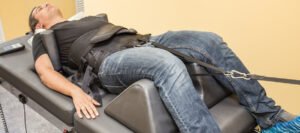
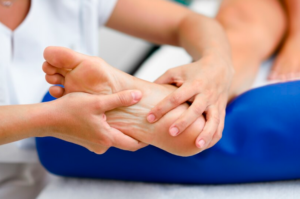
Depending on the injury, treatment may include physical therapy, therapeutic exercises, manual therapy, chiropractic care, mobility work, and other appropriate pain-management approaches.
The goal is not simply to reduce pain. A good recovery plan also focuses on restoring strength, flexibility, balance, and normal movement.
The Importance of Physical Therapy
Physical therapy can play an important role in accident recovery. A therapist may develop exercises based on your injury and current abilities.
Treatment may focus on:
- Improving range of motion
- Building muscle strength
- Reducing stiffness
- Improving balance and coordination
- Restoring normal movement patterns
- Gradually returning to daily activities
Exercises are usually progressed as your body becomes stronger and more comfortable.
Don’t Ignore Delayed Symptoms
Some accident-related symptoms may develop gradually. Neck stiffness, headaches, back pain, muscle soreness, or changes in movement can appear after the initial event.
If symptoms persist, worsen, or interfere with daily activities, seek professional medical advice. Severe weakness, significant numbness, difficulty walking, loss of bladder or bowel control, or other serious symptoms require urgent medical evaluation.
Recovery Takes More Than Rest
Rest may be helpful during the early stages of some injuries, but prolonged inactivity can sometimes contribute to stiffness and weakness. Once it is safe to do so, gradual movement and appropriate rehabilitation can support recovery.
Following your healthcare professional’s recommendations and avoiding activities that aggravate your injury can help you progress safely.
Take the First Step Toward Recovery
An accident does not have to define your recovery. Getting evaluated early, understanding your injury, and following a personalized treatment plan can help you work toward better movement and function.
If you have pain or other symptoms after an accident, consult a qualified healthcare professional for an evaluation and appropriate treatment plan. The sooner you understand your injury, the sooner you can take informed steps toward recovery.